
 Recommended On
Nepal treks without domestic flights became much more popular after repeated Lukla flight cancellations and weather disruptions during recent trekking seasons. We now see many trekkers prefer overland trekking in Nepal routes because road access creates more flexible itineraries and reduces dependence on mountain airport conditions.
Today, several major Himalayan trekking routes can be reached entirely through jeep transportation and overland travel from Kathmandu or Pokhara. Trekkers can still experience tea house trekking, mountain villages, high passes, and Himalayan scenery without relying on domestic flights.
We have seen increasing demand for road-access treks in Nepal routes from trekkers who want simpler logistics, easier transportation coordination, and more schedule flexibility. Many of our travelers also prefer gradual overland travel because it creates a slower transition into Himalayan trekking conditions.
This guide explains the best Nepal treks without domestic flights, including realistic transportation expectations, road conditions, permit costs, trekking logistics, tea house infrastructure, and practical trekking advice from World Expedition Nepal.
Quick Summary: Best Nepal Treks Without Domestic Flights
Nepal treks without domestic flights combine Himalayan trekking, tea house routes, flexible itineraries, and road-access transportation while reducing flight cancellation risks.
|
Trek |
Days |
Max Altitude |
Road Access Start |
Difficulty |
Best Season |
|
Manaslu Circuit Trek |
16-18 |
5,106m |
Machha Khola |
Moderate-Strenuous |
Oct-Nov |
|
Annapurna Circuit |
14-18 |
5,416m |
Chame |
Moderate |
Oct-Nov |
|
Annapurna Base Camp |
7-12 |
4,130m |
Pokhara |
Moderate |
Mar-Apr |
|
Mardi Himal Trek |
5-7 |
4,500m |
Kande |
Moderate |
Mar-Apr |
|
Langtang Valley Trek |
7-10 |
3,870m |
Syabrubesi |
Moderate |
Oct-Nov |
|
Ghorepani Poon Hill |
4-6 |
3,210m |
Nayapul |
Easy-Moderate |
Mar-Apr |
|
Upper Mustang Trek |
12-16 |
4,200m |
Kagbeni |
Moderate |
May-Aug |
Why More Trekkers Are Choosing Nepal Treks Without Domestic Flights
More trekkers now prefer Nepal treks without domestic flights because road-access trekking provides flexible transportation planning and fewer weather-related disruptions.
Why Lukla flight cancellations affect trekking schedules every season
Lukla flights remain one of Nepal’s biggest trekking logistics challenges because mountain weather changes quickly around the airport. During recent autumn trekking seasons, some trekkers waited two to four days for flight clearance because of cloud cover and poor visibility.
Many of our travelers now look for Lukla flight alternatives because international schedules become difficult to manage after repeated transportation delays.
How improved road access changed trekking logistics in Nepal
Road infrastructure has improved significantly across several trekking regions in recent years. Trekkers can now reach Machha Khola, Chame, Syabrubesi, Pokhara, and Kagbeni entirely through jeep transportation and mountain highways.
At World Expedition Nepal, we regularly organize overland trekking Nepal itineraries because many trekkers now prefer transportation flexibility over weather-sensitive domestic flights.
Why flexible itineraries matter more after recent trekking disruptions
Flexible itineraries became increasingly important after repeated weather disruptions during recent trekking seasons. Road-access trekking allows guides to adjust transportation plans more easily during delays.
Trekkers on overland routes often manage schedule changes more comfortably because alternative road transportation remains available in many regions.
Are domestic flights in Nepal reliable during trekking seasons?
Domestic flights remain operationally important for Everest trekking and remote regions. However, mountain weather still affects reliability heavily during spring and autumn.
We now see many trekkers choose accessible Nepal treks because road transportation feels more predictable than depending entirely on airport conditions.
Why do some trekkers prefer overland Himalayan travel instead of flights
Some travelers simply enjoy gradual overland travel more than short mountain flights. Jeep transportation allows trekkers to experience changing landscapes, mountain roads, river valleys, and local villages before reaching the trekking trail.
That slower transition often helps trekkers mentally prepare for Himalayan trekking conditions.
What Trekkers Should Realistically Expect on No-Flight Treks
Trekking in Nepal without flying usually involves long jeep transportation, rough roads, and flexible travel timing, but many trekkers still prefer the reliability of overland access.
How long does jeep transportation usually take before trekking begins
Many first-time trekkers underestimate how long overland transportation takes before Himalayan trekking actually begins. Jeep transportation from Kathmandu to Machha Khola usually takes 8 to 10 hours, depending on road conditions.
Our Langtang trekkers normally spend 7 to 9 hours reaching Syabrubesi. Annapurna Circuit trekkers often spend an entire day reaching Chame through Besisahar.
We usually recommend arriving in Nepal at least two days before trekking begins so travelers can recover from international flights before long mountain road travel.
What mountain roads in Nepal actually feel like during trekking season
Mountain roads in Nepal can feel physically tiring because many sections remain rough, dusty, narrow, and uneven. Roads near Machha Khola and Upper Mustang frequently follow cliff sections above river valleys.
During dry trekking seasons, dust becomes one of the biggest surprises for international trekkers. Vehicles passing each other on unpaved roads often create thick dust clouds lasting several minutes.
Why road travel still feels physically exhausting for many trekkers
Long jeep rides surprise many travelers because roadhead access often involves continuous mountain turns and rough suspension conditions. Motion sickness becomes common on remote trekking roads.
Many of our trekkers arrive at trailheads already feeling physically tired after 8 to 10 hours of transportation. We often schedule lighter trekking days immediately after long overland travel sections.
Why flexible travel pacing matters on overland trekking routes
Road transportation in Nepal still depends heavily on weather, landslides, traffic congestion, and seasonal road conditions. Flexible itineraries help trekkers manage unexpected delays more comfortably.
Trekkers who build one or two extra buffer days into their itinerary usually experience far less travel stress during Himalayan trekking holidays.
How monsoon landslides still affect the overland trekking in Nepal routes
Avoiding flights does not completely remove transportation delays. Heavy monsoon rain regularly damages roads near Besisahar, Arughat, and Syabrubesi between June and early September.
This is one reason World Expedition Nepal carefully monitors seasonal road conditions before organizing transportation into remote trekking regions.
2026 Trek Cost Comparison Table for Nepal Treks Without Flights
Road-access treks in Nepal vary significantly in cost depending on transportation, permits, altitude, tea house infrastructure, and trekking duration.
|
Trek |
Transportation |
Permit Cost 2026 |
Guide & Porter Estimate |
Avg Daily Food Cost |
Total Budget Range |
|
Manaslu Circuit |
Jeep Transfer |
RAP $100 first 7 days + MCAP/ACAP |
$35-$45/day |
$35-$50 |
$1,400-$2,300 |
|
Annapurna Circuit |
Jeep + Bus |
ACAP + TIMS around $50 |
$30-$40/day |
$30-$45 |
$1,100-$2,000 |
|
Annapurna Base Camp |
Tourist Bus + Jeep |
ACAP + TIMS around $50 |
$25-$35/day |
$25-$40 |
$700-$1,400 |
|
Mardi Himal |
Bus + Jeep |
ACAP + TIMS around $50 |
$25-$35/day |
$25-$40 |
$650-$1,200 |
|
Langtang Valley |
Jeep Transfer |
Langtang Permit + TIMS around $45 |
$25-$35/day |
$25-$40 |
$700-$1,400 |
|
Poon Hill |
Bus + Jeep |
ACAP + TIMS around $50 |
$20-$30/day |
$20-$35 |
$500-$1,000 |
|
Upper Mustang |
Jeep + Road Transfer |
Restricted Permit $500 |
$35-$50/day |
$35-$55 |
$2,300-$4,000 |
Golden Rule: Keep your trekking duffel below 13kg. Heavy bags quickly become difficult during jeep transportation and porter coordination.
Best Nepal Treks Without Domestic Flights
Nepal treks without flights range from short beginner-friendly tea house treks to remote Himalayan passes accessible entirely through overland transportation.
Manaslu Circuit Trek Without Flights
The Manaslu Circuit Trek remains one of Nepal’s best remote road-access treks because trekkers can reach Machha Khola directly by jeep from Kathmandu.
Road transportation follows steep river valleys beside the Budhi Gandaki before reaching the trekking trail. Seasonal road conditions heavily affect transportation timing, especially during monsoon months.
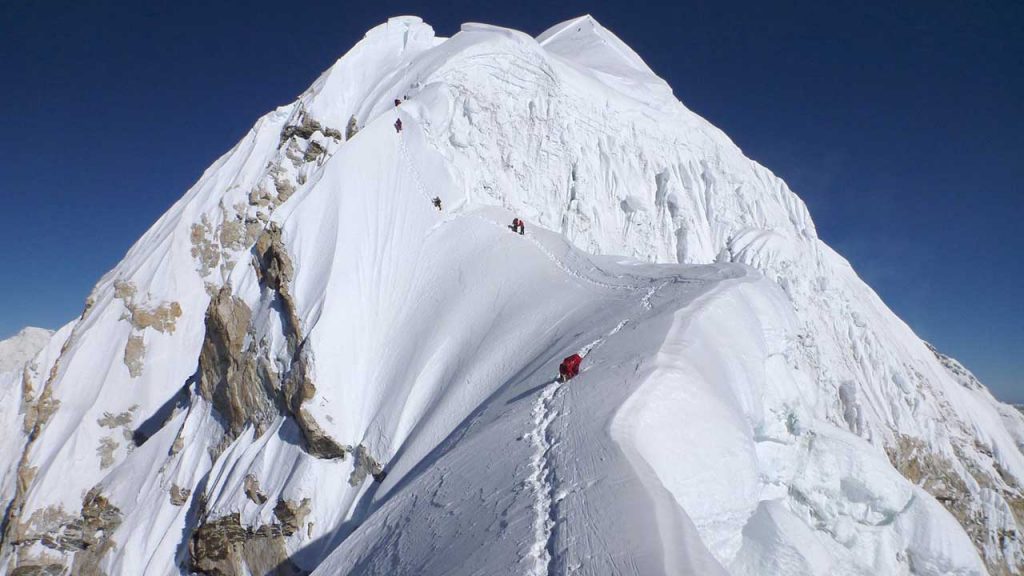
The biggest highlight remains Larkya La Pass at 5,106 meters. Most trekkers leave Dharamsala between 3:30 a.m. and 4:30 a.m. because the afternoon wind becomes much stronger near the pass.
The full crossing from Dharamsala to Bimthang usually takes 10 to 11 hours, depending on snow conditions and acclimatization strength. Many of our trekkers underestimate how physically demanding the final descent becomes after crossing the pass.
Compared to our Everest trekking routes, Manaslu usually feels quieter and more remote. Villages like Samagaon and Samdo still maintain strong Himalayan culture with fewer crowds and less commercial tea house infrastructure.
Tea house rooms above Samdo often remain between 0°C and 5°C during October and November nights. We strongly recommend sleeping bags rated at least to -15°C comfort temperature.
Annapurna Circuit Without Flights
The Annapurna Circuit remains Nepal’s most diverse long-distance road-access trekking route because trekkers can access major trailheads entirely through overland transportation.
Most itineraries begin with jeep transportation from Kathmandu to Chame through Besisahar. Road expansion shortened the traditional route but also improved transportation flexibility significantly.
Thorong La Pass at 5,416 meters remains the trek’s hardest day. Most trekkers require 8 to 11 hours to cross safely, depending on weather, snow conditions, and acclimatization.
Manang remains one of Nepal’s best acclimatization villages because trekkers can spend extra recovery days before attempting the pass.
We often recommend side trips to Ice Lake or Tilicho Lake because they improve acclimatization while adding stronger mountain scenery.
Annapurna Base Camp Trek Without Flights
The Annapurna Base Camp Trek remains one of Nepal’s easiest Himalayan treks to organize entirely by road.
Our trekking teams usually travel from Kathmandu to Pokhara by tourist bus before continuing toward the trekking trail through local jeep transportation.
Annapurna Sanctuary feels very different from Everest because the trail gradually enters a huge glacial amphitheater surrounded by Annapurna peaks.
Tea house trekking in Nepal infrastructure remains very strong along this route. Villages like Chhomrong, Bamboo, and Deurali provide regular accommodation and meal options throughout the trekking season.
ABC works especially well for shorter holidays because trekkers can complete the route in 7 to 12 days without relying on domestic flights.
Mardi Himal Trek Without Flights
Mardi Himal became one of Nepal’s most popular short Himalayan treks because it combines ridge-line scenery with relatively short trekking duration.
Most itineraries begin after road transportation from Pokhara toward Kande before climbing steadily toward High Camp.
The ridge sections near Machhapuchhre provide excellent mountain visibility during spring and autumn. Sunrise conditions near Mardi Himal Base Camp often become clearest before 8 a.m.
Many beginner trekkers choose Mardi Himal because the logistics feel simpler than Everest or Manaslu while still providing strong Himalayan scenery.
We usually recommend spring departures for trekkers wanting rhododendron forests and stable mountain visibility.
Langtang Valley Trek Without Flights
Langtang Valley remains the closest major Himalayan trek from Kathmandu that requires no domestic flights.
Our trekking teams usually reach Syabrubesi after 7 to 9 hours of jeep transportation through winding mountain roads north of Kathmandu.
Compared to the Annapurna trek, Langtang generally feels quieter while still maintaining strong tea house infrastructure and comfortable trekking logistics.
Tamang villages throughout Langtang National Park create one of Nepal’s strongest cultural trekking experiences.
Kyanjin Gompa remains the route’s biggest highlight because trekkers can explore glaciers, yak pastures, and panoramic viewpoints nearby.
We often recommend Langtang for trekkers wanting lower altitude risk together with easier transportation planning.
Ghorepani Poon Hill Trek Without Flights
Poon Hill remains Nepal’s most beginner-friendly Himalayan viewpoint trek because the altitude stays relatively manageable, and the tea house infrastructure remains strong.
Families and older trekkers often choose this route because daily trekking hours stay shorter while transportation access from Pokhara remains simple.
Spring trekking usually creates the best scenery because rhododendron foreststrekking safety bloom heavily around Ghorepani and Tadapani.
Although experienced hikers sometimes consider Poon Hill easier than other Himalayan treks, sunrise views across Annapurna and Dhaulagiri still remain impressive during clear mornings.
Upper Mustang Trek Without Flights
Upper Mustang changed significantly after the expansion of overland road access improved transportation into the restricted region.
Unlike greener Himalayan routes, Mustang feels dry and desert-like because the region lies within the rain shadow north of the Annapurna range.
We now see many trekkers combine jeep-supported trekking with shorter walking sections around Lo Manthang, Kagbeni, and nearby villages.
Upper Mustang works especially well during the monsoon season because rainfall remains far lower than in most other trekking regions.
However, expanded road transportation also created dustier trekking conditions near several road-access sections.
Which Nepal Trek Without Flights Is Best for Different Travelers?
Different Nepal treks without flights suit different trekking styles depending on altitude comfort, itinerary length, transportation tolerance, and trekking experience.
Best no-flight trek for complete beginners
Langtang Valley and Ghorepani Poon Hill usually work best for beginners because transportation logistics remain simple and altitude stays more manageable.
Best no-flight trek for experienced trekkers
Experienced trekkers usually prefer Manaslu Circuit or Annapurna Circuit because both involve longer itineraries, high passes, and remote trekking sections.
Best road-access trek for families
Poon Hill remains Nepal’s most family-friendly no-flight trek because daily walking hours remain shorter and the tea house infrastructure stays comfortable.
Best short Himalayan trek accessible by road
Mardi Himal works especially well for shorter trekking holidays because transportation through Pokhara remains efficient while trekking duration stays flexible.
Best remote Himalayan trekking experience without flights
Manaslu Circuit remains Nepal’s strongest remote trekking experience accessible entirely through overland transportation.
What Trekkers Regret Packing on Overland Treks in Nepal
Many of our trekkers carry unnecessary equipment during overland Himalayan trekking routes, especially when long jeep transportation and porter coordination are involved.
Why heavy bags quickly become frustrating during jeep transportation
Large bags become difficult during crowded jeep transfers, where luggage space remains limited.
We strongly recommend keeping trekking duffels below 13kg whenever possible.
Gear that many trekkers never actually use on tea house routes
Many of our trekkers still bring unnecessary camping equipment despite the strong tea house infrastructure on popular trekking routes.
Items commonly left unused include:
-
heavy cooking gear
-
extra hiking boots
-
oversized medical kits
-
thick expedition jackets below 4,000m
Why road dust changes packing priorities completely
Dust becomes a major issue near Machha Khola, Besisahar, and Upper Mustang during dry trekking months.
Our clients often appreciate buff masks, sunglasses, backpack rain covers, and lightweight wipes much more than expected.
Items experienced guides recommend carrying instead
World Expedition Nepal trekking teams commonly recommend:
-
lightweight sandals
-
lip balm
-
power banks
-
charging cables
-
lightweight snacks
-
spare batteries
These items usually become far more useful than excess clothing.
Local Trekking Tips Most People and Business Never Explain Properly
Our experienced local trekking teams often use small transportation, acclimatization, and itinerary adjustments that improve overland trekking comfort significantly.
Why early morning jeep departures usually work best
Morning departures often avoid afternoon traffic, road construction delays, and stronger dust conditions on mountain roads.
Which tea house villages feel quieter and better for recovery
Many guides prefer acclimatization villages like Samdo or Upper Pisang because quieter tea house environments help trekkers recover more comfortably.
Why local guides avoid some roads during the monsoon season
Experienced trekking operators regularly adjust transportation routes during monsoon months when landslides affect unstable road sections.
Scenic side trips, many rushed itineraries completely skip
Many of our trekkers miss side trips near Birendra Lake, Pungyen Gompa, Kyanjin Ri, and Ice Lake because itineraries become rushed.
Why buffer days matter more than many trekkers realize
Transportation delays still happen regularly across Nepal because of landslides, weather, traffic, and road construction.
We usually recommend at least one or two flexible buffer days after major trekking itineraries.
12-Week Trekking Training Calendar Before Nepal
Gradual endurance preparation helps trekkers manage long walking days, rough jeep transportation, and high-altitude fatigue more comfortably.
|
Weeks |
Main Focus |
Walking Target |
Stair Goal |
Extra Training |
|
1-4 |
Base endurance |
5-7 km daily |
10 floors |
Light cardio |
|
5-8 |
Hiking strength |
8-10 km |
20 floors |
Weekend hikes |
|
9-10 |
Backpack training |
10-12 km |
25 floors |
Weighted hiking |
|
11-12 |
Recovery & pacing |
Moderate walking |
15 floors |
Stretching & recovery |
Golden Rule: Himalayan trekking rewards steady endurance more than aggressive speed training.
Biggest Advantages of Nepal Treks Without Flights
No-flight treks in Nepal routes usually provide more flexible transportation planning, lower overall stress, and fewer weather-related disruptions.
Why road-access trekking reduces airport stress
Many of our trekkers feel less anxious knowing their itinerary does not depend completely on mountain airport visibility. During recent autumn trekking seasons, weather delays around Lukla regularly affected international travel schedules for multiple days.
Road-access trekking allows much more flexibility because alternative jeep transportation and route adjustments remain possible even during unstable weather periods.
Our trekking teams often reorganize transportation timing during difficult road conditions, which becomes much easier than waiting indefinitely for airport clearance.
Are no-flight treks usually cheaper overall?
Road-access trekking often costs less overall because domestic flight expenses are removed from the itinerary. Everest flights, baggage surcharges, and weather-related accommodation delays frequently increase overall trekking budgets.
Many of our travelers also appreciate that jeep transportation usually allows more luggage flexibility compared to strict domestic flight baggage limits.
Meal costs and tea house pricing still increase gradually at higher altitudes, especially above 3,500 meters. Dal Bhat in Samdo or Thorong Phedi often costs between 700 and 1,000 NPR during peak trekking months because supplies must be transported into remote mountain regions.
Why overland travel feels less rushed for many trekkers
Gradual overland travel creates a slower transition into Himalayan trekking compared to immediate mountain flights. Many trekkers mentally adjust more comfortably while watching landscapes gradually change from the Kathmandu valleys into mountain terrain.
Our trekking teams often notice that overland travelers feel less pressured during the first few trekking days because the journey has already created a slower rhythm before the hike even begins.
This slower pacing also helps many trekkers organize gear, hydration, and acclimatization habits before reaching higher altitude sections.
Why flexible itineraries improve trekking comfort
Flexible itineraries allow easier transportation adjustments during delays, weather changes, or road closures. That flexibility becomes especially important during the monsoon and late autumn trekking seasons.
At World Expedition Nepal, we usually recommend at least one extra buffer day after major trekking itineraries because transportation conditions in Nepal can still change quickly.
Our guides regularly adapt transportation timing, tea house coordination, and acclimatization pacing depending on weather exposure and road conditions.
Why does overland trekking feel more connected to local Nepal
Many trekkers say that overland Himalayan trekking feels more connected to local Nepal because the journey includes roadside villages, mountain markets, river valleys, and local transportation culture before trekking even begins.
Instead of immediately flying into high mountain terrain, travelers gradually experience changing geography, food culture, road conditions, and village life across multiple regions.
Our guides often explain local farming systems, mountain trade routes, and regional trekking culture during transportation days, which helps many trekkers understand Himalayan life beyond the trekking trail itself.
Challenges Trekkers Should Prepare for on Overland Routes
Although no-flight treks avoid airport cancellations, many routes still involve rough roads, dust exposure, landslide risk, and long transportation days.
Which roads in Nepal feel roughest before trekking begins
Road sections near Machha Khola and Upper Mustang remain among Nepal’s roughest trekking access roads.
Why jeep fatigue surprises many international trekkers
Many of our travelers underestimate how physically tiring 8 to 10 hours of mountain jeep transportation can become.
How monsoon landslides still affect transportation reliability
Heavy monsoon rainfall regularly damages roads and creates temporary transportation closures.
Why do some trekkers still prefer domestic flights
Some of our travelers still choose flights because overland transportation consumes additional trekking days.
Why Local Trekking Guides Matter More on No-Flight Routes
Experienced local trekking guides help travelers manage permits, transportation coordination, acclimatization pacing, and changing road conditions more efficiently.
Why is transportation coordination difficult in remote regions
Jeep timing, permit checkpoints, seasonal road conditions, and weather disruptions regularly complicate transportation logistics in remote trekking regions.
Routes toward Machha Khola, Chame, and Upper Mustang often involve multiple transportation stages using tourist buses, shared jeeps, or private overland vehicles.
Our trekking teams regularly coordinate transportation changes during landslides, road repairs, and traffic congestion near major trekking access roads.
Many first-time trekkers underestimate how complicated transportation timing becomes once mountain road conditions begin changing unexpectedly.
How experienced guides adjust itineraries during transportation delays
At World Expedition Nepal, we regularly adjust itineraries during landslides, weather disruptions, and road closures.
Sometimes our trekking teams shorten transportation stages, change overnight stops, or reorganize acclimatization timing depending on road conditions and traveler energy levels.
Flexible coordination becomes especially important on the Manaslu and Annapurna routes, where road construction and landslide exposure still affect transportation reliability.
Our guides also monitor how long jeep transportation affects trekkers physically before beginning difficult hiking sections.
Why local road knowledge improves transportation safety
Our local trekking teams understand which roads become dangerous after heavy rainfall and which sections remain safer during unstable weather.
This local road knowledge becomes very important during monsoon months when landslides, rockfall, and mud regularly affect transportation access.
Drivers unfamiliar with mountain conditions sometimes attempt risky crossings during unstable road periods. Our trekking teams usually avoid these situations by delaying departures or changing transportation timing.
Transportation safety decisions often matter just as much as trekking safety in remote Himalayan regions.
How organized logistics reduce travel stress for trekkers
Many of our trekkers feel much more comfortable when permits, transportation, tea house coordination, and acclimatization planning remain professionally organized.
Instead of constantly negotiating jeep timing, checking permit checkpoints, or searching for accommodation, trekkers can focus more on walking pace, hydration, mountain scenery, and recovery.
At World Expedition Nepal, we regularly help trekkers manage:
-
transportation coordination
-
tea house reservations
-
permit organization
-
acclimatization pacing
-
weather updates
-
emergency itinerary changes
That support becomes especially valuable during longer overland trekking routes where transportation logistics change frequently.
Why guide support matters more during long overland expeditions
Long overland trekking routes often create more physical fatigue before trekking even begins. After many hours inside jeeps, some trekkers struggle with dehydration, motion sickness, stiff muscles, or exhaustion during the first trekking days.
Our guides usually slow the early trekking pace carefully after difficult transportation days because aggressive pacing immediately after long road access often increases fatigue and acclimatization stress later.
This operational pacing adjustment is one reason many trekkers feel more comfortable on organized road-access trekking itineraries.
Nepal Treks Without Flights vs. the Everest Base Camp Trek
Road-access Himalayan treks provide more transportation flexibility than Everest Base Camp while still offering strong tea house trekking and mountain scenery.
Flight risk compared to overland transportation fatigue
Everest trekking depends heavily on Lukla flights, while no-flight treks depend more on long jeep transportation.
Crowd level differences between Everest and road-access routes
Everest trekking routes usually feel busier than Manaslu, Langtang, and Upper Mustang.
Which trekking option usually costs less overall
Many no-flight treks cost less because expensive domestic flight transportation is removed.
Which trekking experience feels more remote and adventurous
Manaslu and Upper Mustang usually feel more remote because of rough road access and quieter mountain villages.
Which option works better for beginner trekkers
ABC, Poon Hill, and Langtang usually feel more beginner-friendly than Everest Base Camp.
Explore Nepal’s Best No-Flight Treks With World Expedition Nepal
Our experienced local trekking teams help trekkers manage permits, transportation coordination, weather changes, and flexible overland itineraries more efficiently.
Trek Nepal Overland With Experienced Local Teams
We organize guided road-access trekking routes across Manaslu, Annapurna, Langtang, Mardi Himal, Upper Mustang, and many more.
Receive Flexible Itineraries During Transportation Delays
Our trekking teams regularly adjust itineraries during road closures, transportation disruptions, and changing mountain conditions.
Get Updated Transportation & Trail Information
At World Expedition Nepal, we regularly help trekkers coordinate:
-
jeep transportation
-
permits
-
tea house logistics
-
acclimatization pacing
-
weather updates
-
road condition changes
FAQs About Nepal Treks Without Domestic Flights
Which Nepal trek does not require domestic flights?
Many trekking routes, including Manaslu Circuit, Annapurna Circuit, Langtang Valley, Mardi Himal, ABC, and Poon Hill, can all be reached entirely through road transportation.
Can you trek in Nepal entirely through road access?
Yes. Many Himalayan treks now use jeep transportation, buses, and overland travel instead of domestic airports.
Is the Manaslu Trek possible without flights?
Yes. Our trekking teams usually travel directly from Kathmandu to Machha Khola through jeep transportation before starting the trek.
Which no-flight trek is best for beginners?
Langtang Valley, Mardi Himal, Annapurna Base Camp, and Poon Hill usually work best for beginner Nepal treks without flights.
Are no-flight treks cheaper than the Everest Base Camp Trek?
Usually yes. Removing Lukla flights often reduces overall trekking transportation costs significantly.
